Sexually transmitted infections
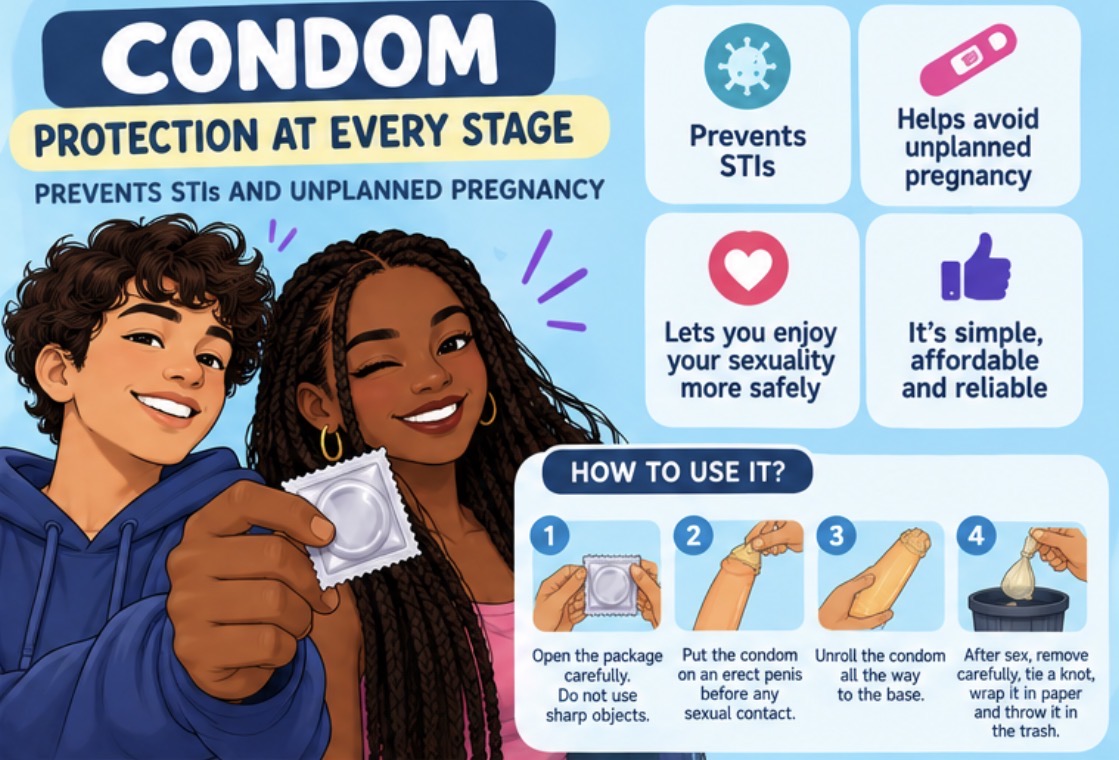
Many STIs have no symptoms. Use protection and get tested.
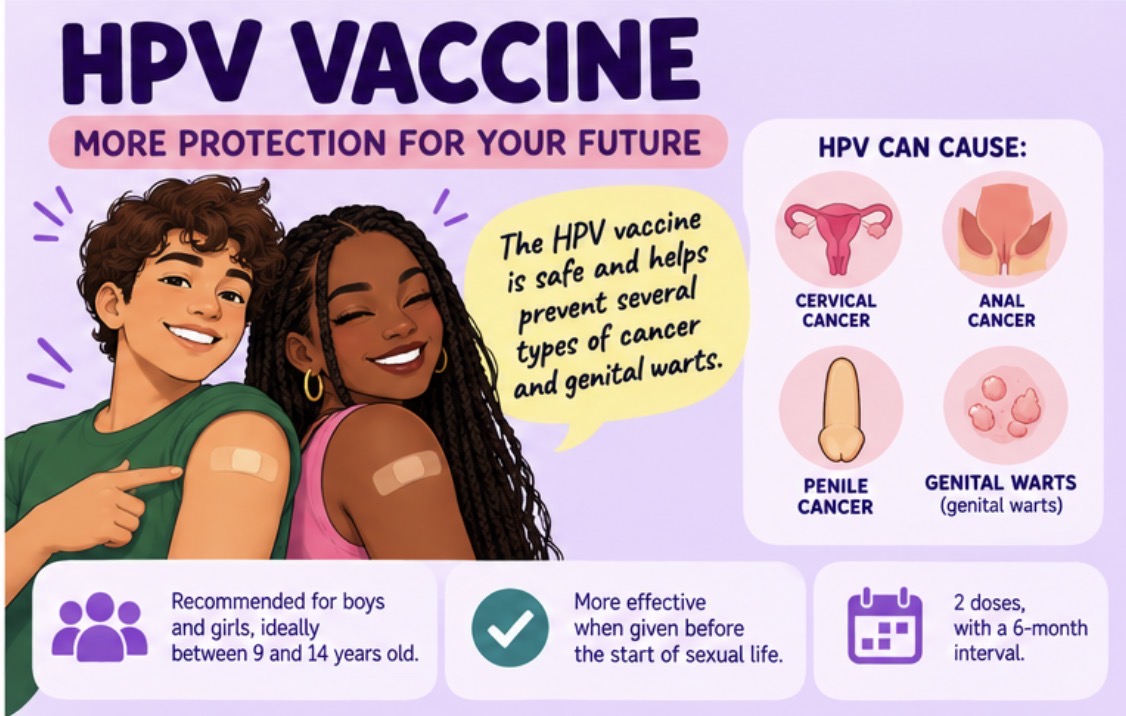
- STIs include HIV, syphilis, HPV and chlamydia. Public health services offer free rapid tests and HPV vaccination.
- Oral sex can transmit gonorrhea, syphilis, herpes and HPV.
- Anal sex has a higher HIV risk: the thin rectal lining can tear.
- No symptoms does not mean no STI. Use condoms and get tested.
- Anal-to-vaginal contact can cause urinary infection (UTI). UTIs are not STIs.
10 questions. One trophy.PLAY NOW
In practice
- New condom for each act. For oral contact, use a dental dam or cut-open condom.
- For anal sex, use condoms and plenty of water- or silicone-based lubricant.
- Before anal-to-vaginal contact, change the condom and clean hands and toys.
- Peeing after sex may help with UTIs, but does not prevent STIs or pregnancy.
- Get tested and mention oral, vaginal or anal contact. Any new genital sore needs care.
Warning signs
- New genital lesion or unusual discharge: seek care.
- Burning, frequent urination or blood in urine: seek care.
- Fever, back pain, vomiting or severe pelvic pain: seek prompt care.
- Possible HIV exposure? Ask for PEP within 72 hours.
Where to get help
- Health center
- Testing and counseling center (CTA)
Sources
- Ministry of Health – STI/HIV
- WHO – Sexually transmitted infections (https://www.who.int/news-room/fact-sheets/detail/sexually-transmitted-infections-(stis))
- CDC – About STI risk and oral sex (https://www.cdc.gov/sti/about/about-sti-risk-and-oral-sex.html)
- CDC – HIV risk reduction (https://www.cdc.gov/hiv/risk/index.html)
- NHS – Urinary tract infections (https://www.nhs.uk/conditions/urinary-tract-infections-utis/)